When an old water heater finally gives out, the first question we hear from Central Coast homeowners is simple: should I replace it with another tank, or switch to tankless? Both are good options, and the right answer depends on your house, your hot water habits, and your budget. Here is how we walk our own customers through the decision.
How Each Type Works
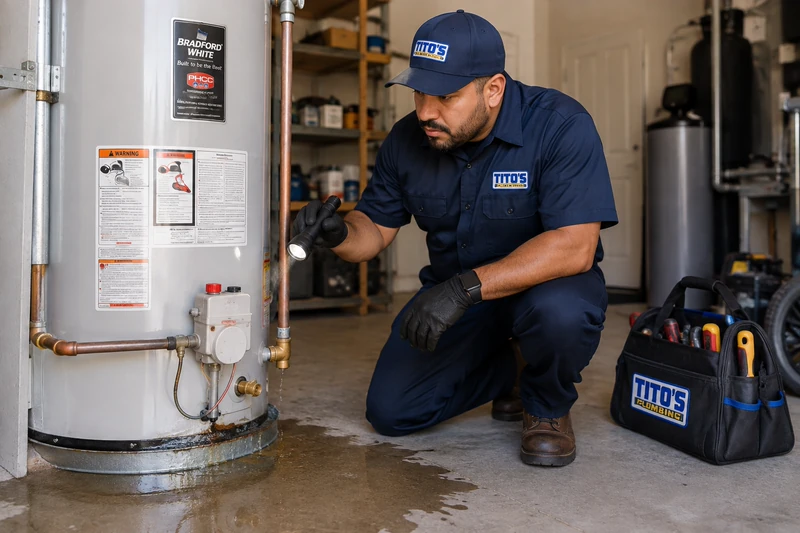
A traditional tank water heater keeps 40 to 75 gallons of water hot and ready around the clock. When you turn on the tap, hot water is already waiting. A tankless unit heats water only when you ask for it, running cold water across a burner or coil on demand, which is why people call it an on-demand heater.
That single difference, stored hot water versus on-demand heating, drives almost every other trade-off below.
Upfront Cost and Installation
A tank water heater is cheaper to buy and faster to install, since it usually drops into the same spot as the old one. A tankless unit costs more up front, both for the equipment and for the install, because it often needs a larger gas line, new venting, and electrical work. On many of the older homes we service from Santa Maria up to San Luis Obispo, that extra plumbing is the real cost difference, not the unit itself. We tell you what your specific house needs before you commit, so the quote reflects your home and not a generic average.
Lifespan and Long-Term Value
This is where tankless earns its keep. A well-maintained tank heater lasts about 8 to 12 years. A tankless unit often runs 20 years or more. Tankless heaters also use less energy because they are not reheating a full tank all day, which shows up as a lower gas bill over time. If you plan to stay in your home for the long haul, the higher upfront cost usually pays itself back.
Hot Water Supply
- Tank: Delivers a lot of hot water at once, which is great for back-to-back showers, but it can run out and then needs time to recover.
- Tankless: Never runs out, since it heats continuously, but each unit has a flow limit. Run a shower, the dishwasher, and the laundry at the same time and a single small unit can struggle to keep up.
For a busy family home, we sometimes size a larger tankless unit or pair two together so the hot water keeps pace with the household.
Space and Hard Water
Tankless units mount on a wall and free up the floor space a bulky tank takes, which matters in a tight garage or utility closet. One local note worth knowing: much of the Central Coast has hard water, and the minerals that come with it build up scale inside any heater. Tankless units in particular need a periodic flush to stay efficient. If you go tankless, plan on that maintenance, and ask us about a water softener if your home is on harder water.
So Which One Should You Choose?
A tank heater makes sense when the upfront budget is tight, the existing setup is simple, or you need a lot of hot water all at once. Tankless makes sense when you want lower long-term bills, a longer service life, more floor space, and endless hot water, and you do not mind the higher install cost or the periodic flush.
There is no single right answer, only the right fit for your home. We would rather help you choose the heater that actually suits your house than sell you the most expensive box on the truck. If you are weighing a replacement, call the office and we will give you a straight recommendation and a flat-rate quote, no pressure either way.